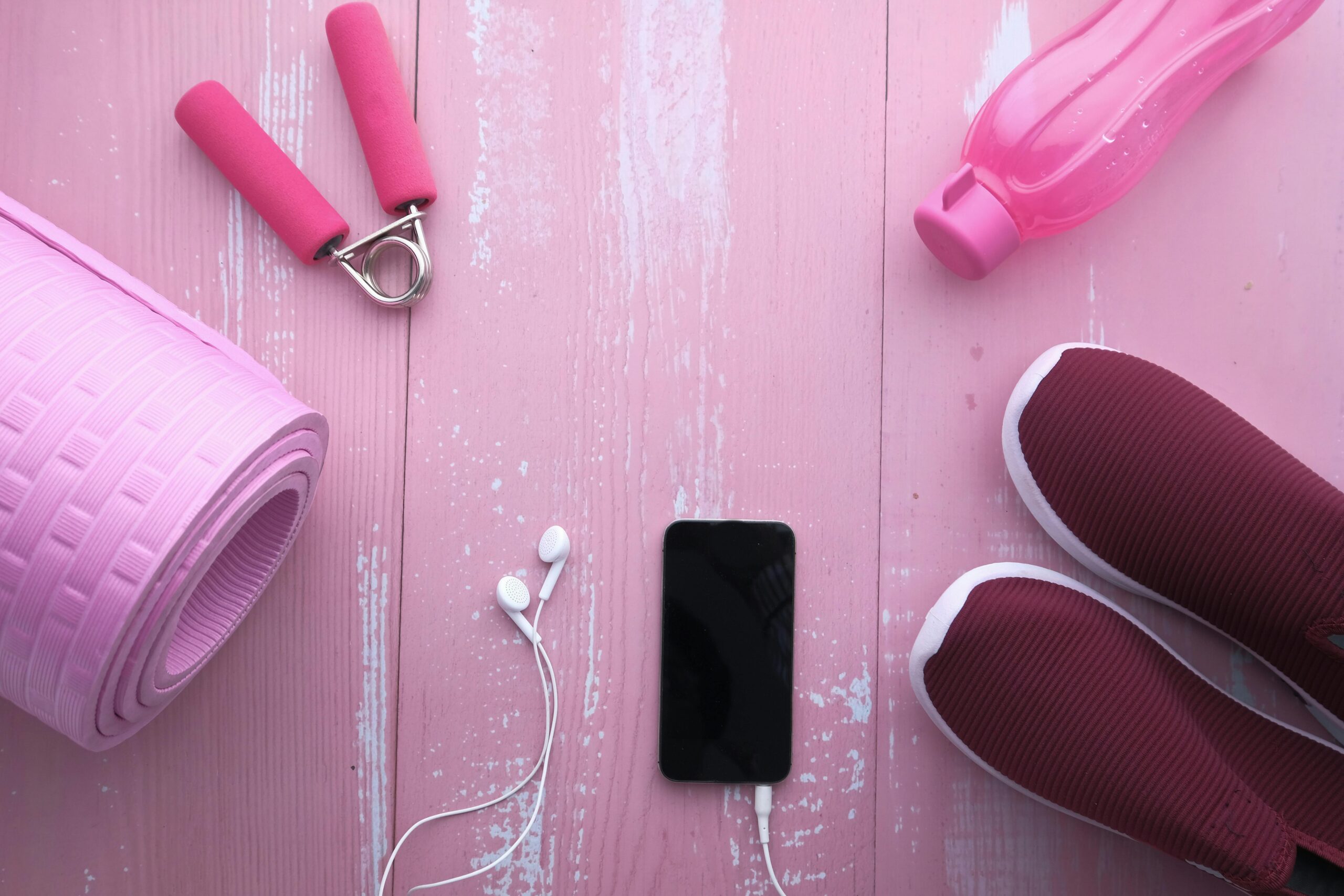
I used to think I needed separate gear for every activity. One outfit for the gym. Another for hiking. Different shoes, different bags, different jackets. Over time, my closet filled up—and somehow, I was still never wearing the “right” thing. It wasn’t until my workouts started blending into my everyday life that I realized something important: the best athletic gear isn’t just made for one place. It’s made to move with you.
These days, fitness doesn’t end when you leave the gym. A strength session might turn into a walk outside. A quick workout could roll straight into a bike ride, a hike, or an afternoon running errands. That’s where versatile athletic essentials really earn their place. They’re not about doing everything perfectly—they’re about doing everything comfortably, reliably, and without overthinking it.
I first noticed the difference when I swapped out heavy cotton gym shirts for lightweight, moisture-wicking tops. At the gym, they kept me dry and comfortable. Outdoors, they dried quickly and stayed breathable, even when the weather changed. Suddenly, I didn’t feel like I needed to pack a backup shirt just to step outside. That small change made workouts feel simpler and more spontaneous.
The same thing happened with jackets. A well-designed fleece or softshell became my go-to, whether I was warming up on a cold morning or heading out for a casual hike later in the day. It was light enough to move in, warm enough to layer, and durable enough to handle real outdoor use. Instead of owning multiple jackets for different situations, I had one that just worked—no second guessing.
Footwear was another turning point. I used to switch shoes constantly, thinking gym workouts and outdoor movement required totally different designs. But once I found a solid pair of cross-training shoes with good grip and cushioning, everything changed. They handled strength training, cardio sessions, long walks, and even light trails without issue. Comfort and confidence started replacing hesitation, and I stopped planning my day around what shoes I was wearing.
As my gear became more adaptable, so did my routine. A single backpack carried me through workouts, bike rides, and outdoor days. With enough space for water, essentials, and a light layer, it became part of my everyday setup—not just a gym bag collecting dust in the corner. When gear works across different settings, you’re far more likely to stay active without forcing yourself into a rigid plan.
Accessories followed the same pattern. Simple things like compression supports, gloves, or lightweight layers proved useful in more ways than I expected. They weren’t just “gym accessories” or “outdoor gear”—they were tools that helped my body feel supported, warm, and ready wherever I trained. Even recovery items, like compact stretch tools, found their way into outdoor breaks and post-workout moments.
Layering became the secret weapon. Instead of dressing for one environment, I started dressing for movement. Breathable base layers, flexible mid-layers, and weather-resistant outerwear gave me the freedom to adapt as conditions changed. It didn’t matter if I was indoors, outdoors, or somewhere in between—the transition felt effortless.
What surprised me most was how durable this kind of gear turned out to be. Clothing and equipment built for versatility tend to be tougher, better constructed, and designed to last. Reinforced stitching, abrasion-resistant fabrics, and thoughtful design details made everything feel dependable. And because the style was clean and athletic, it didn’t scream “gym-only” or “trail-only.” It just fit into real life.
Choosing athletic essentials that do it all isn’t about owning less—it’s about owning smarter. When your gear supports multiple activities, you stop making excuses. You move more. You try new things. You take that workout outside instead of putting it off.
From gym floors to open trails, versatile athletic essentials remove friction from an active lifestyle. They let you focus on how you feel, not what you’re wearing or carrying. And once you experience that kind of freedom, it’s hard to go back to gear that only works in one place.
Because the best workouts—and the best days—don’t always stick to one setting. And your gear shouldn’t have to either.
0 Comments